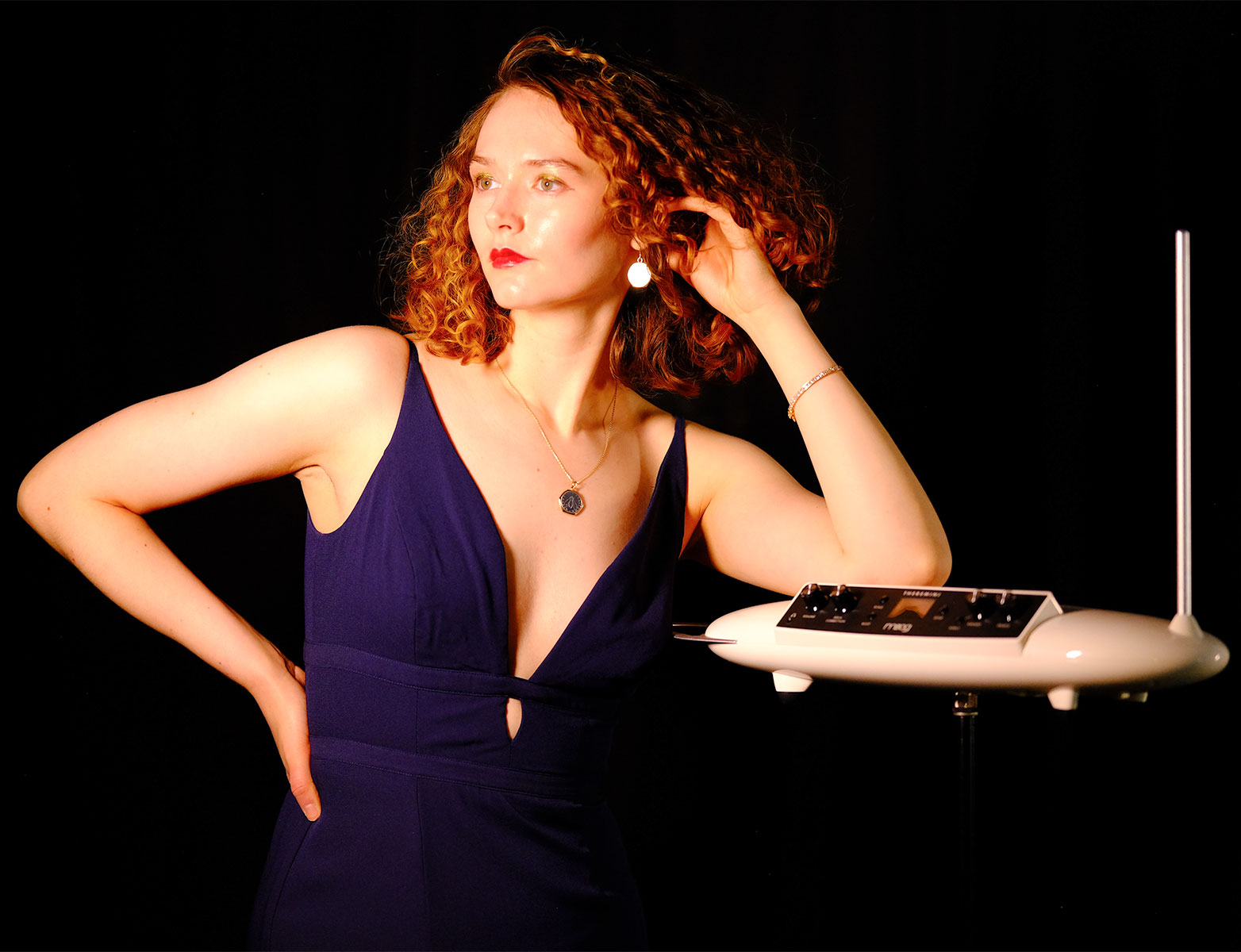
Meredith McGee;
Chronic Pain, Hypermobility, Pituitary Adenoma
Growing up, I found my place in movement. Sports—especially throwing the hammer and weightlifting—were where I felt most like myself. I loved the challenge of learning how to move my body with intention. Every throw was a quiet kind of magic: the timing, the balance, the rhythm. When you spin with the hammer, everything else fades. If you get the throw just right, it feels effortless. Your body and the ball move together, and for a split second, there’s this stillness before it soars. That moment has never left me.
Those moments were the first time I felt real drive, something that pulled me forward and lit a fire in me. They gave me a way to move through the world, to feel strong, capable, and connected. But even then, pain was never far behind. It was quiet, constant, and hard to explain. I didn’t have the language for it—I just knew something felt off. Coaches would comment on how I could hit positions others couldn’t, how I moved in ways that seemed unusual. We saw specialists, tried to get answers for the pain and the repeated injuries, but nothing ever stuck. Those differences were treated like strengths for a while—just part of what made me a resilient athlete. It wasn’t until much later that I learned what we’d missed: signs of hypermobility, a condition that had been quietly wearing down my body all along.
As the years passed, that wear became harder to ignore. The movements that once brought me joy began to hurt daily. My joints struggled under the pressure. The spins that used to center me started to bring intense dizziness. Eventually, I was diagnosed with a pituitary adenoma, a benign tumor near my brain that disrupted my hormones, balance, and energy. Slowly, I had to let go of the sport that had once helped me come alive.